

What is vegetable tanned Nappa leather?
A simple, modern guide for conscious learning enthusiasts
Luxury doesn't have to compromise on ethics or sustainability. Vegetable-tanned Nappa leather proves it. Below, we explain what makes this material so special, how vegetable tanning works, and why it's quickly becoming the eco-friendly material of choice for leather bags.
1. The Basics: Nappa + Vegetable Tanning, Explained
Most people know Nappa as the ultra-soft leather used in luxury gloves, jackets, and interiors. But what exactly is vegetable-tanned leather, and how does it change Nappa's properties?
- Nappa leather: A full-grain leather (usually cow, calf, or goat) prized for its velvety feel and fine, even grain.
- Vegetable tanning: A centuries-old process that uses natural tannins from tree bark, leaves, and fruit. Over a period of several weeks, these tannins replace moisture in the hide, stabilizing the fibers without harsh chemicals.
Together, these qualities create a leather that is buttery soft, naturally finished, and surprisingly robust, all without the chrome residues typically associated with standard tanning.
2. How does vegetable tanning work?
- Prepare & soak - The raw hides are cleaned, depilated and soaked to restore moisture.
- Tannin baths -For 3 to 6 weeks, the hides circulate through vats containing increasing concentrations of vegetable tannins. This slow infusion fixes the fibers and preserves their breathable structure.
- Drying, oiling, tumbling -After tanning, the leather is gently dried, nourished with natural oils and tumbled in wooden drums for a smooth, luxurious finish.
- Finishing -Instead of heavy pigments or plastic coatings, vegetable-tanned nappa often remains "naked." The grain, small scars, and color variations remain visible, creating a rich patina that deepens with each use.
This gentle, timeless process is exactly why a bag made of vegetable-tanned Nappa feels alive and adapts to your lifestyle for years to come.
3. Nappa Leather vs. Full-Grain Leather: The Real Differences
Because Nappa is essentially a full-grain leather, the comparison is less about quality and more about character:
|
Feature |
Nappa (Vegetable Tanned) |
Standard Full Grain |
|
Hand feeling |
Silky soft, glove-like |
Strong, robust |
|
Thickness |
Thinner, very flexible |
Thicker, stiffer |
|
Finish |
Minimal coating; pores visible |
Light wax layer or semi-aniline |
|
Aging |
Quickly nuanced patina |
Patina develops more slowly |
|
Ideal for |
Bags, wallets, tech sleeves |
Belts, sturdy backpacks, work boots |
Those seeking luxury without compromising on sustainability will find the perfect balance in vegetable-tanned nappa. Light on the shoulder, yet durable enough for everyday wear.
4. Why it matters: sustainability and style in one
-
Truly environmentally friendly
Vegetable tannins are biodegradable, and many tanneries recycle water and bark waste. This makes vegetable-tanned nappa one of the most sustainable premium leather options available today. -
Better for you
No chrome, no synthetic fixatives. Your skin and everything the leather touches remains free of irritating residue. -
A patina with a story
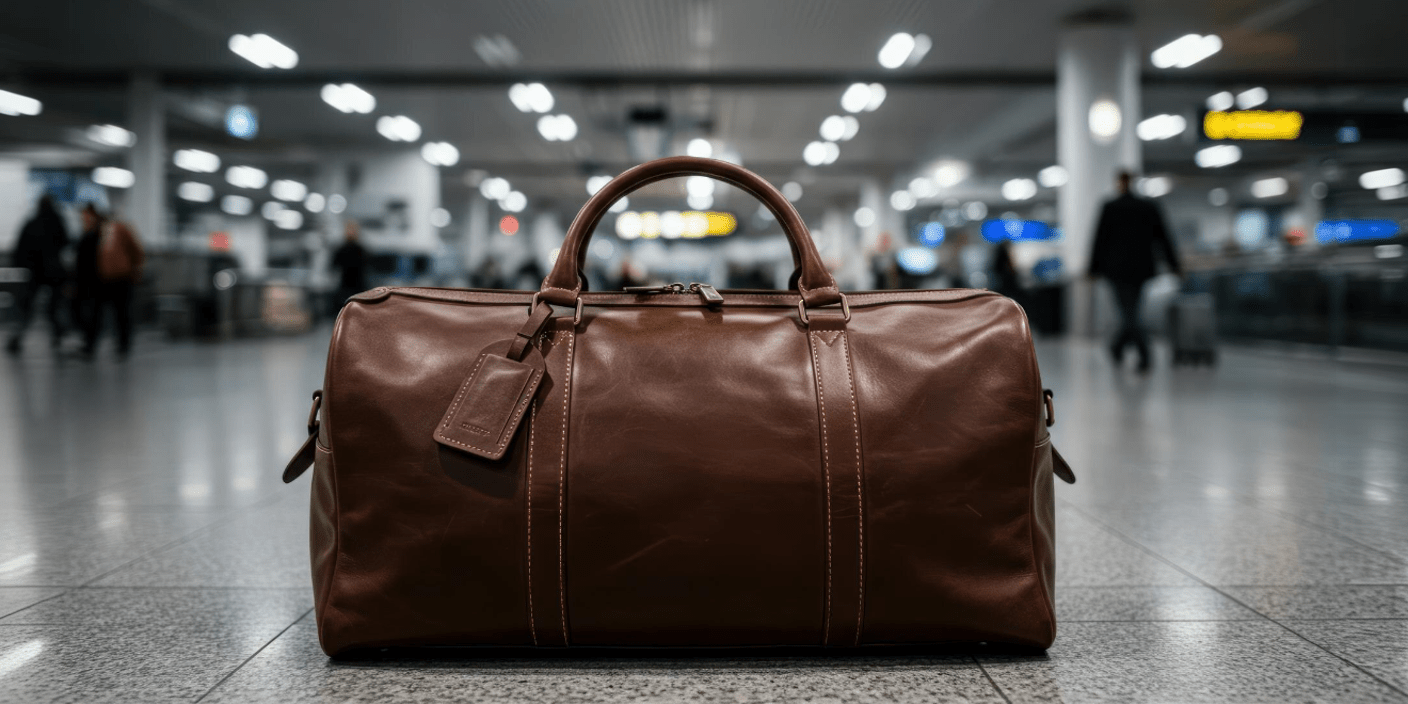
Sunlight, natural skin oils, a scratch from airport security—the skin registers it all in a warm, ever-changing glow. In a world of disposable fashion, that authenticity makes all the difference. -
Timeless appearance
Because the finish is transparent, each hide retains its unique grain and color nuance. Combined with modern silhouettes, the result is pieces that feel contemporary today and will still be classic ten years from now.
Discover our sustainable materials
Ready to invest in leather that's as progressive as it is aesthetically pleasing?
Discover the Negotiations-line made from vegetable-tanned Nappa and other sustainable materials designed for professionals who demand top performance and principles.