



Leather vs Canvas Weekender Bag: Which One Actually Suits You
Neither material is the wrong answer. That is worth saying before anything else, because most comparisons like this are written by whoever sells one of the two materials, and it shows. This one is written by a leather brand, so treat the leather case as the one we would obviously make and judge the canvas case on whether it holds up anyway. It does, in specific situations.
The real question is not which material is better. It is which set of trade-offs matches how you actually travel.
What canvas actually gets you
Lighter, first and mostly. A canvas duffel is a single layer of fabric doing the whole job: shell, structure and abrasion resistance all at once. A leather weekender needs a separate padding layer, a lining, and often a stiffener behind the panels to hold its shape, because leather itself is not what keeps the bag rigid. That is three components instead of one, and it adds up in grams before a single item goes inside.
Cheaper, almost always. Leather at a quality worth buying costs more to source and more to work than canvas, and that difference reaches the price tag directly. If a bag is genuinely disposable to you, something you expect to replace in a couple of years regardless of how it is treated, canvas is the rational purchase.
Packs away, if it is a plain duffel rather than a structured one. An unstructured canvas duffel folds flat into a drawer or inside a suitcase. That only holds for the unstructured shape though. A structured canvas weekender with internal stiffening behaves like any other structured bag and stays at full volume in your hallway, same as leather.
What canvas does not automatically get you
Water resistance is the trade people assume comes with canvas and often does not. Plain, untreated cotton canvas is not water resistant. It is breathable and blocks wind reasonably well, but rain sits in the weave and works its way through. Waxed canvas is a different material, treated with a paraffin or beeswax coating that genuinely repels water rather than absorbing it. If water resistance is why you are considering canvas, the listing needs to say "waxed," not just "canvas."
Waxed canvas also comes with upkeep of its own. It cannot go in a washing machine, and it needs rewaxing every year or two depending on use, which is a maintenance rhythm most buyers do not expect from what looks like a rugged, low-fuss material. Plain canvas, by contrast, genuinely can be scrubbed or machine washed, which is the one clear low-maintenance win in this comparison.
And ageing well is not automatically a leather-only quality. Waxed canvas develops a real patina too, darkening and softening with use in a way that plain canvas does not. If part of the appeal of leather is that it looks better used than new, a good waxed canvas does something similar. The honest differentiator is not "does it age with character," it is weight, structure and how formal it reads, covered below.
What leather actually gets you
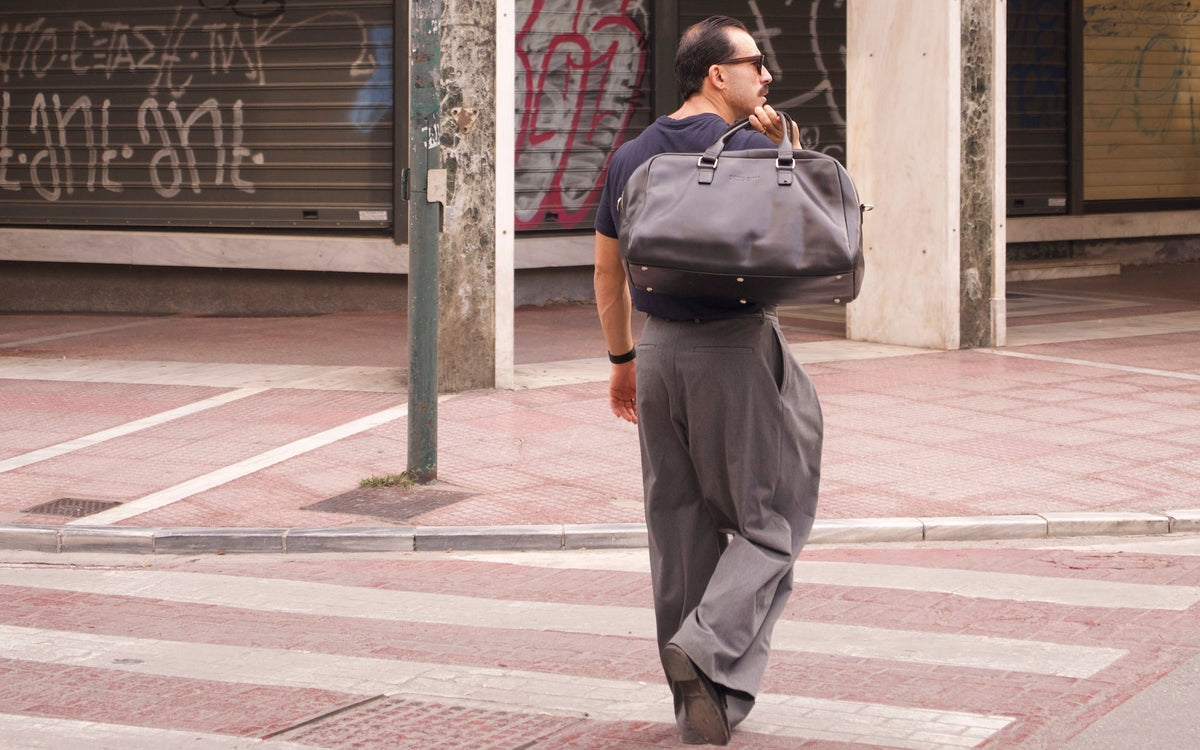
Structure that holds without help. A leather weekender keeps its shape empty or full, sits upright in an overhead locker, and looks composed set down in a lobby. That structure is also why we would not call a leather weekender a duffel in the strict sense: as we covered in weekender or duffel bag, holding a form is one of the defining differences between the two, and it is largely a material property. Canvas can be built with internal stiffening to hold a similar shape, but it is working against the material rather than with it.
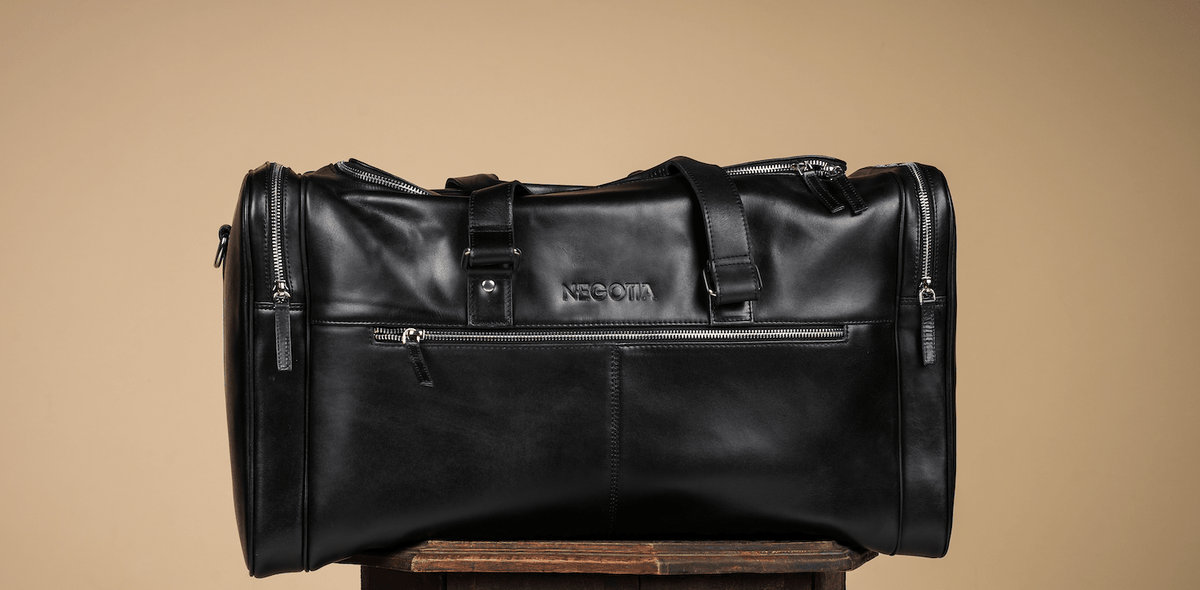
A longer structural life. Padding and lining wear out eventually in any bag, but the leather shell itself is the part least likely to be the failure point. NEGOTIA's own weekenders use nappa leather, which is typically chrome-tanned. As we set out in vegetable-tanned vs chrome-tanned leather, chrome-tanned leather does not darken dramatically the way heavier vegetable-tanned hides do. It ages by burnishing and softening at the corners and edges rather than by changing colour, which reads as settled rather than new, not as a dramatic patina.
A more formal read. Set a leather weekender and a canvas duffel next to each other and most people will place the leather one on the business side and the canvas one on the weekend-away-with-friends side, correctly. If the trip runs straight from the bag into a client meeting or a hotel lobby, that reading is doing real work.
The weight numbers, honestly
Both NEGOTIA weekenders carry real weight before anything goes inside. The Marent Weekender is 1,950 g empty; the Valen Weekender is 1,600 g. Against an 8 kg cabin allowance, that is a meaningful share of the limit spent on the bag itself, a point we cover in more depth in the leather weekender buying guide.
A well-made canvas duffel of similar capacity will typically weigh less, for the structural reason above: it is not carrying a separate padding and stiffening system inside a leather shell. If you fly often and weight is the constraint that actually bites, that difference is real and it compounds every time you pick the bag up, not just once.
Where each one actually wins
| What matters most to you | Better choice |
|---|---|
| Lowest possible weight for frequent flying | Canvas |
| Lowest upfront cost, or you expect to replace the bag anyway | Canvas |
| Genuine rain and water resistance | Waxed canvas specifically, not plain canvas |
| Machine-washable, low-fuss care | Plain canvas |
| Holds its shape reliably, empty or full | Leather |
| Reads as professional, not just casual | Leather |
| A structural life measured in years of daily use rather than seasons | Leather |
| Buying once rather than replacing every few years | Leather, provided the grade and hardware are genuine |
Where NEGOTIA sits, plainly
We make leather weekenders and nothing else, so we are not a neutral source on this question and there is no point pretending otherwise. What we can do honestly is tell you when the canvas side of this table describes you better than the leather side does. If you fly budget airlines weekly and weight is your real constraint, or the bag needs to survive being thrown around outdoors, or you would rather spend meaningfully less on something you expect to replace, a good canvas duffel, waxed if you actually need the water resistance, is the more sensible buy. We would rather say that than sell you the wrong bag.
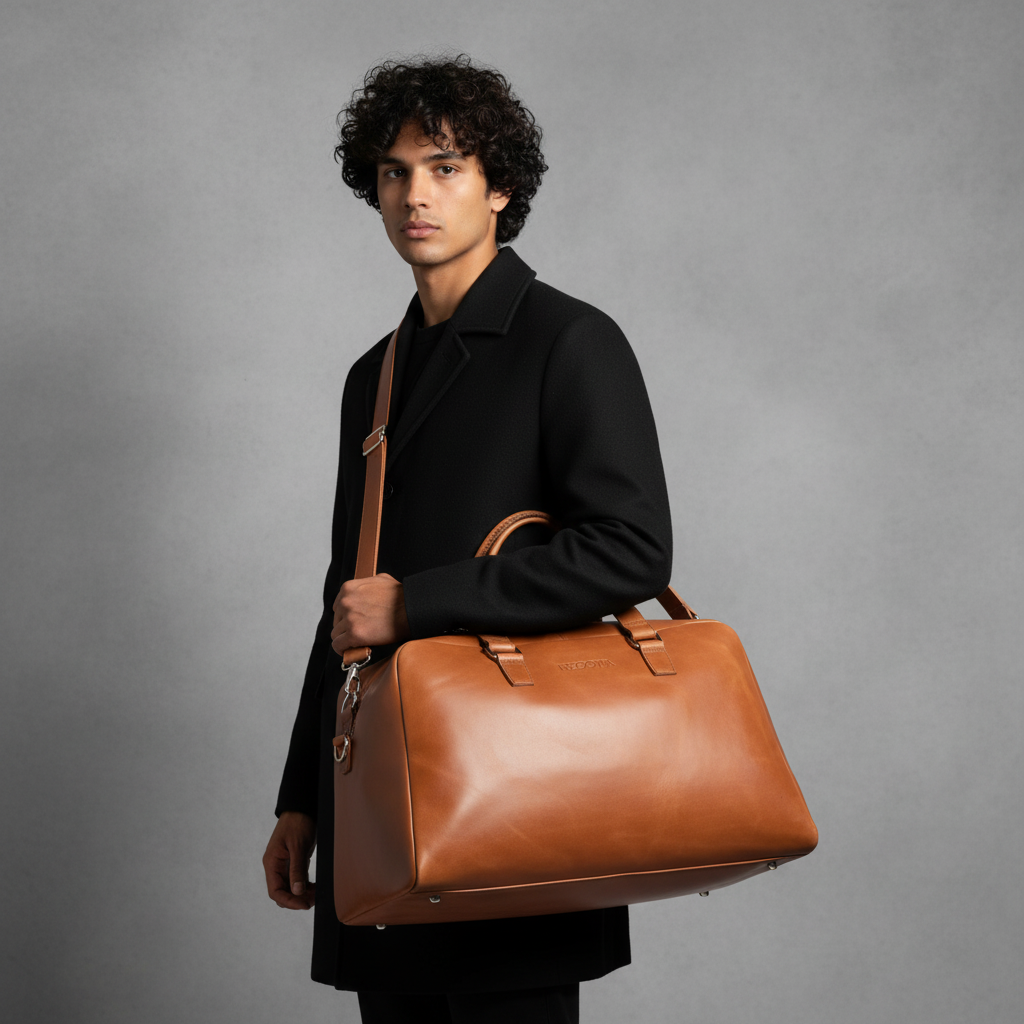
If the leather side of the table is the one that actually describes you, the Marent Weekender (35 litres, 1,950 g, open interior with generous pockets, €189) and the Valen Weekender (32 litres, 1,600 g, structured compartments, full-grain nappa leather, €219) are covered in full, including cabin sizing per airline, in our leather weekender buying guide. If you are still working out how much bag two or three nights actually needs, what size weekender you need puts real numbers to that. And whichever leather bag you end up with, how to care for a leather bag covers what keeping it actually requires, which is less than most people assume.
Both weekenders sit in the weekenders collection.