



Weekender or Duffel Bag? The Difference, and Which You Actually Want
These are not two different objects. That is the honest starting point, and it saves a lot of confusion.
A duffel is the older, broader category: a soft, roughly cylindrical bag that opens along the top. A weekender is a smaller, more structured duffel, sized for a short trip and finished so it does not look like gym kit. The word "weekender" is largely retail language, applied by sellers rather than defined by anyone.
That does not make the distinction meaningless. There is a real difference in how the two are built, and it decides which one suits how you travel.
Where the duffel comes from
The name is a place. Duffel is a town in Flanders, just south of Antwerp, and it gave its name to a coarse woollen cloth with a thick nap that was produced there and exported widely. The Oxford English Dictionary dates the word to 1649 in that original sense of the cloth, with the earliest use meaning the bag itself appearing around 1768.
The cloth was hard-wearing and found its way onto ships, where sailors are said to have made rough sacks from offcuts to hold their belongings. That is the shape the bag has kept ever since: soft, deep, opening along the top, built to be thrown somewhere rather than set down carefully.
Worth knowing if you are buying one in the Netherlands or Belgium. The bag is named after a town roughly twenty kilometres from Antwerp.
What actually separates them now
Four things, and none of them is the word on the label.
Structure. A traditional duffel is unstructured. It collapses when empty and takes the shape of whatever is inside it. A weekender holds a form whether full or not, usually through stiffer panels and a defined base. That is why one can be folded into a suitcase and the other cannot.
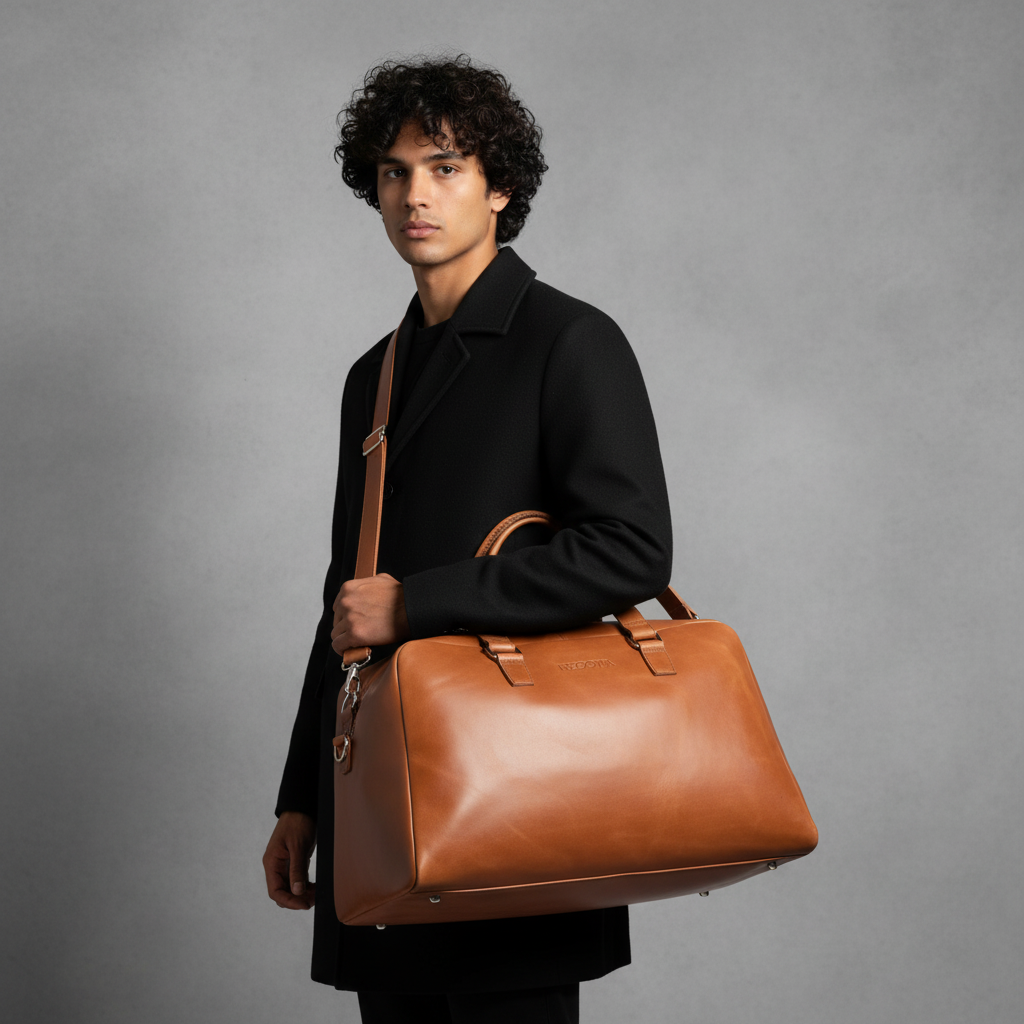
Shape. Duffels are deep and round in section. Weekenders are flatter and more rectangular, which is what lets them sit upright, slide into an overhead locker on their side, and look appropriate walking into a meeting.
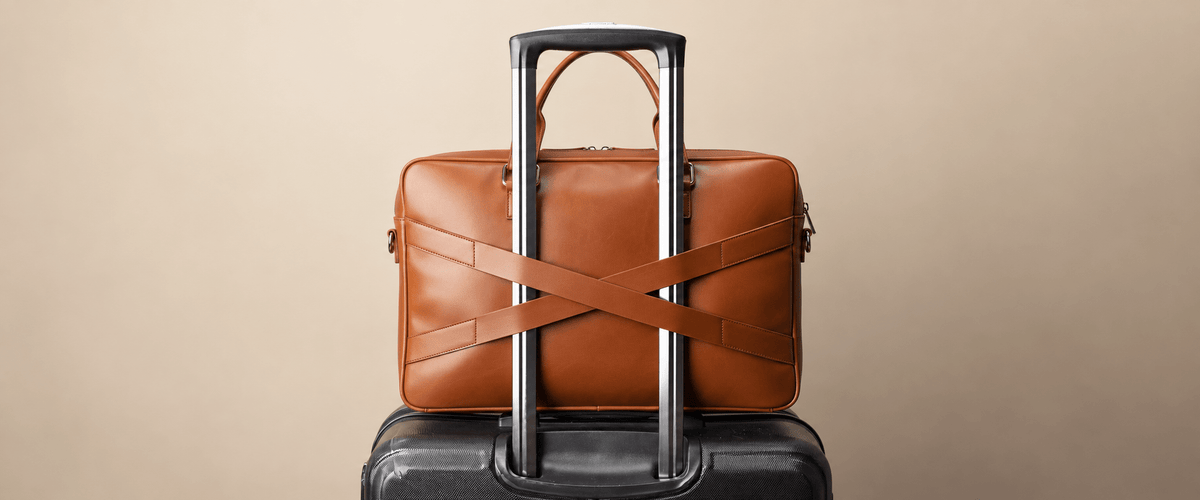
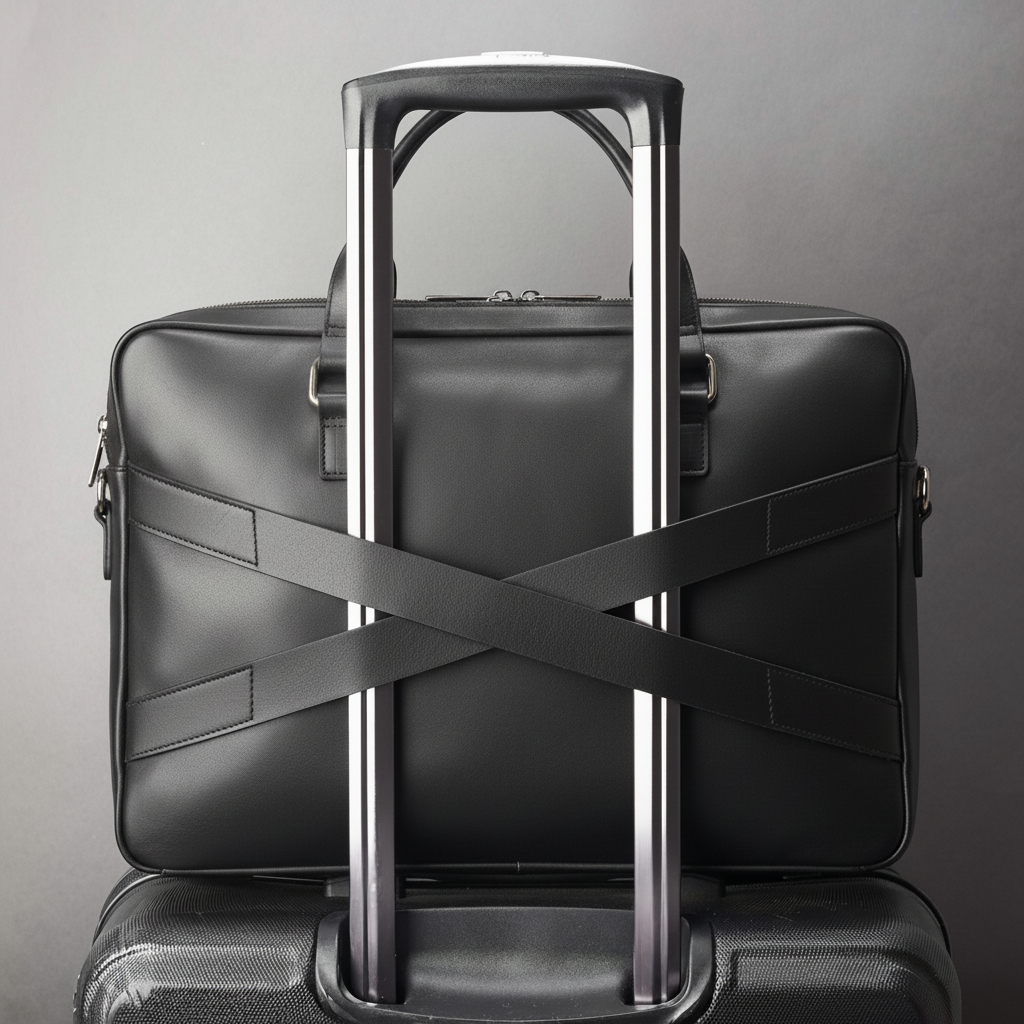
Organisation. A duffel is typically one large space. A weekender adds compartments, and the one that matters most for professional travel is a padded laptop compartment. Many also add a trolley sleeve on the back panel.
Size. Duffels run from around 30 litres to well over 100 for the military-derived versions. Weekenders cluster in the 30 to 40 litre range, because that is what two or three nights needs and roughly what a cabin allowance permits.
Side by side
| Duffel | Weekender | |
|---|---|---|
| Structure | Unstructured, collapses | Holds its shape |
| Section | Deep, rounded | Flatter, rectangular |
| Interior | One large space | Compartments, usually a laptop sleeve |
| Typical capacity | 30 to 100+ litres | 30 to 40 litres |
| Packs away when empty | Yes | No |
| Reads as | Sport, travel, kit | Business, short trip |
| Best at | Volume and abuse | Cabin travel and arriving presentable |
Which one you actually want
Answer three questions and it resolves itself.
Does a laptop travel with it? If yes, you want a weekender, or at least a duffel with a genuine padded compartment. A laptop loose in a single-compartment bag with shoes and a wash bag is the classic way to crack a screen.
Does the bag need to look right on arrival? A duffel that has been half-emptied looks slumped. If you are going straight from the station to a client, the structure is doing real work, and that is most of what you are paying for.
Do you need it to disappear when you are not using it? This is the one case where a plain duffel genuinely wins. An unstructured bag folds flat into a cupboard or inside a suitcase. A weekender takes up its full volume in your hallway, permanently.
There is a fourth consideration if you fly budget airlines. A deep, round duffel is exactly the wrong shape for a cabin sizer, because depth is the dimension that catches. A flatter weekender stands a better chance, though as we set out in the leather weekender buying guide, no leather bag of a useful size clears every European carrier.
What NEGOTIA makes, and what it does not
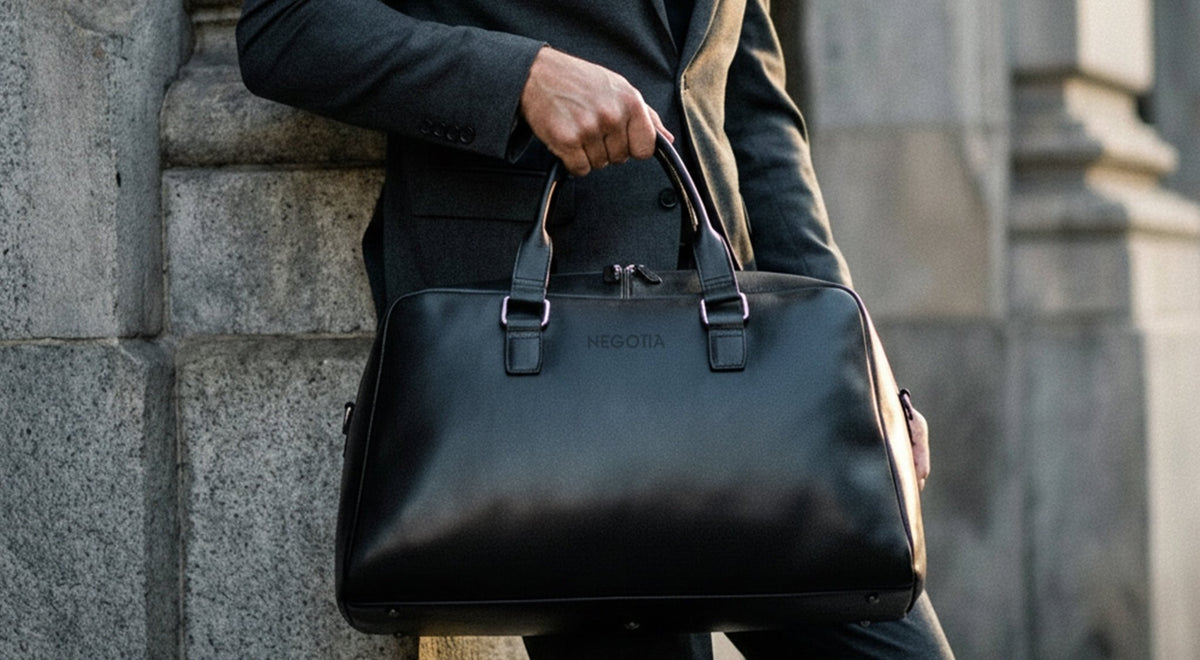
Both our bags are weekenders in the sense above: structured, flat-sided, with padded laptop compartments rated to 16 inches.
| Marent Weekender | Valen Weekender | |
|---|---|---|
| Dimensions | 53 x 24 x 31 cm | 49 x 23 x 28 cm |
| Capacity | 35 litres | 32 litres |
| Weight, empty | 1,950 g | 1,600 g |
| Laptop | Up to 16", plus tablet sleeve | Up to 16" |
| Interior | Open, with generous pockets | Structured, item by item |
| Leather | Nappa leather | Full-grain Nappa leather |
| Price | € 189 | € 219 |
The Marent is closer to the duffel end: more volume, a more open interior, you pack it and reach for things. The Valen is further toward the structured end, with dedicated compartments for a charger, passport, notebook, phone, AirTag and AirPods, and it is 350 g lighter.
Two honest limitations. Neither bag lists a trolley sleeve, which is a common weekender feature and genuinely useful if you often travel alongside a wheeled case. And neither folds away, which is the price of the structure. If either of those matters more to you than the laptop compartment, a plain duffel is the better buy and we would rather say so.
Both sit in the weekenders collection.
Ignore the word, check the numbers
Retailers use duffel, weekender, holdall and overnight bag more or less interchangeably, and no standard governs any of them. A bag labelled duffel may have a laptop compartment. A bag labelled weekender may be a plain tube.
So treat the name as a hint and check four things on the listing: external dimensions, stated capacity in litres, empty weight, and whether the laptop compartment is padded or merely a divider. Those four decide whether the bag works. For the two or three night case specifically, what size weekender you need puts numbers to it.