




Article: Leather Laptop Bag Buying Guide: What to Look For

Leather Laptop Bag Buying Guide: What to Look For
A good leather laptop bag protects an expensive machine, carries the few things you actually use during a working day, and still looks right after years of use. A poor one does none of these well and starts to show it within months. This guide covers what genuinely separates the two, so you can judge any leather laptop bag on its merits rather than its marketing.
If you only remember one thing: fit and protection come first, leather quality decides how it ages, and the carry style has to match how you actually move through your day. Everything below expands on those three.
Start with the laptop, not the bag
The most common mistake is buying for looks and discovering the laptop barely fits, or slides around in a compartment built for something larger. Before anything else, check two numbers: the size the bag is rated for, and your laptop's real dimensions.
Screen size is only a rough guide. A 14-inch laptop from one brand can be noticeably larger than a 14-inch from another once you account for bezels and build. A compartment rated "up to 16 inches" comfortably takes most 14- and 15.6-inch machines, but if you own a large 16-inch model, measure its width and height and compare them against the compartment, not the screen label. A snug, padded fit is what protects the laptop. Too much spare room lets it move; too little means you force it in and stress the zip.
Protection: padding, structure and the base
Protection is more than a soft lining. Look for three things. A padded, dedicated laptop compartment that holds the machine away from the bag's outer wall. A degree of structure in the panels, so the bag holds its shape rather than collapsing around whatever is inside. And a base that keeps the laptop off the ground when you set the bag down, which is where a briefcase with a defined bottom has an advantage over a soft pouch.
A separate tablet or document sleeve matters more than it sounds. It stops a tablet and a laptop from grinding against each other in the same space, which is a slow way to scratch both.
Leather: how it ages is the real test
Leather is where price and longevity are decided. Full-grain leather uses the outer layer of the hide with its natural grain intact. It is the most durable option and it develops a patina, deepening in colour and character as it is handled. Top-grain leather is sanded and finished, which gives a more uniform look but removes some of that ageing quality. Bonded or coated leathers are cheaper and tend to crack or peel once the surface finish gives way.
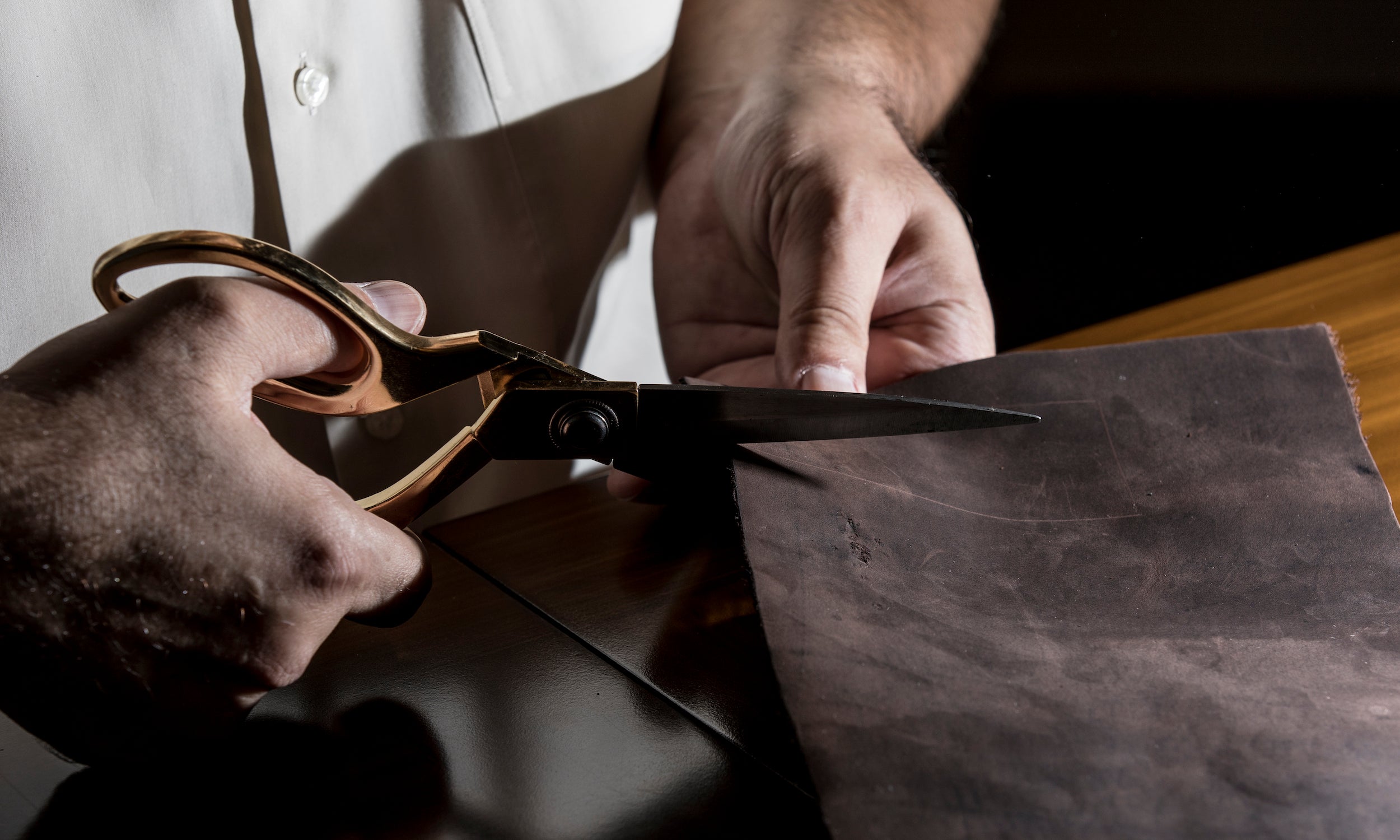
You cannot always confirm the grade from a product photo, so read the description and, where it matters to you, ask. A well-made leather bag is an investment that should look better in five years, not tired. If the leather is an afterthought, the bag will tell you within a season.
Layout: enough organisation, not too much
The right amount of internal organisation depends on what you carry. A working professional usually needs a home for a phone, a pen or two, a few cards, a charger and perhaps a notebook. Dedicated pockets for those keep the main compartment clear and stop small items pooling at the bottom.
Be wary of the opposite extreme. A bag with a pocket for everything can be heavier, stiffer and slower to pack than one with a few well-placed ones. Match the layout to your daily carry, not to the longest feature list.
Carry: briefcase or backpack
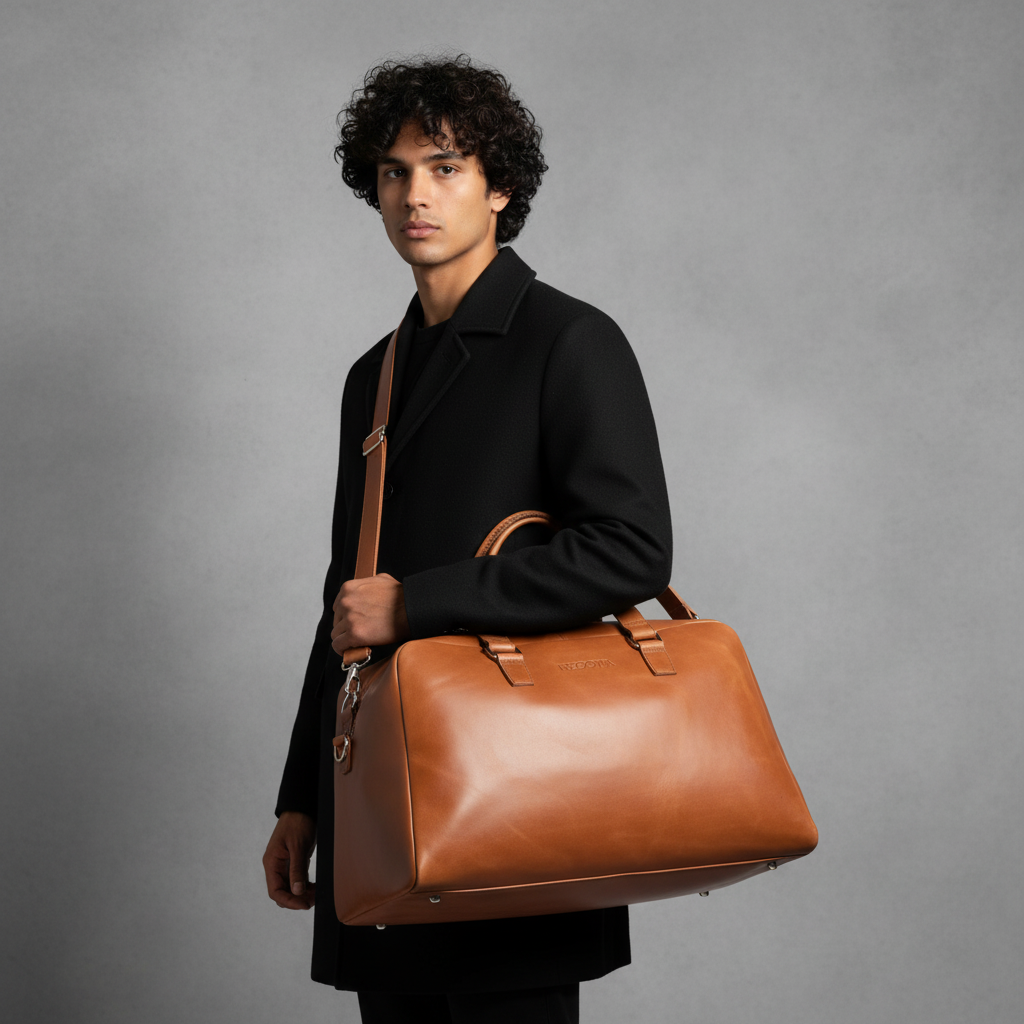
This is the choice most people get wrong by defaulting to habit. A briefcase reads as more formal, sits flat against you, and suits shorter commutes, meetings and client-facing work. A backpack distributes weight across both shoulders, which your back will thank you for on longer commutes, cycling, or days when the bag is full. Neither is better in the abstract; they suit different days.
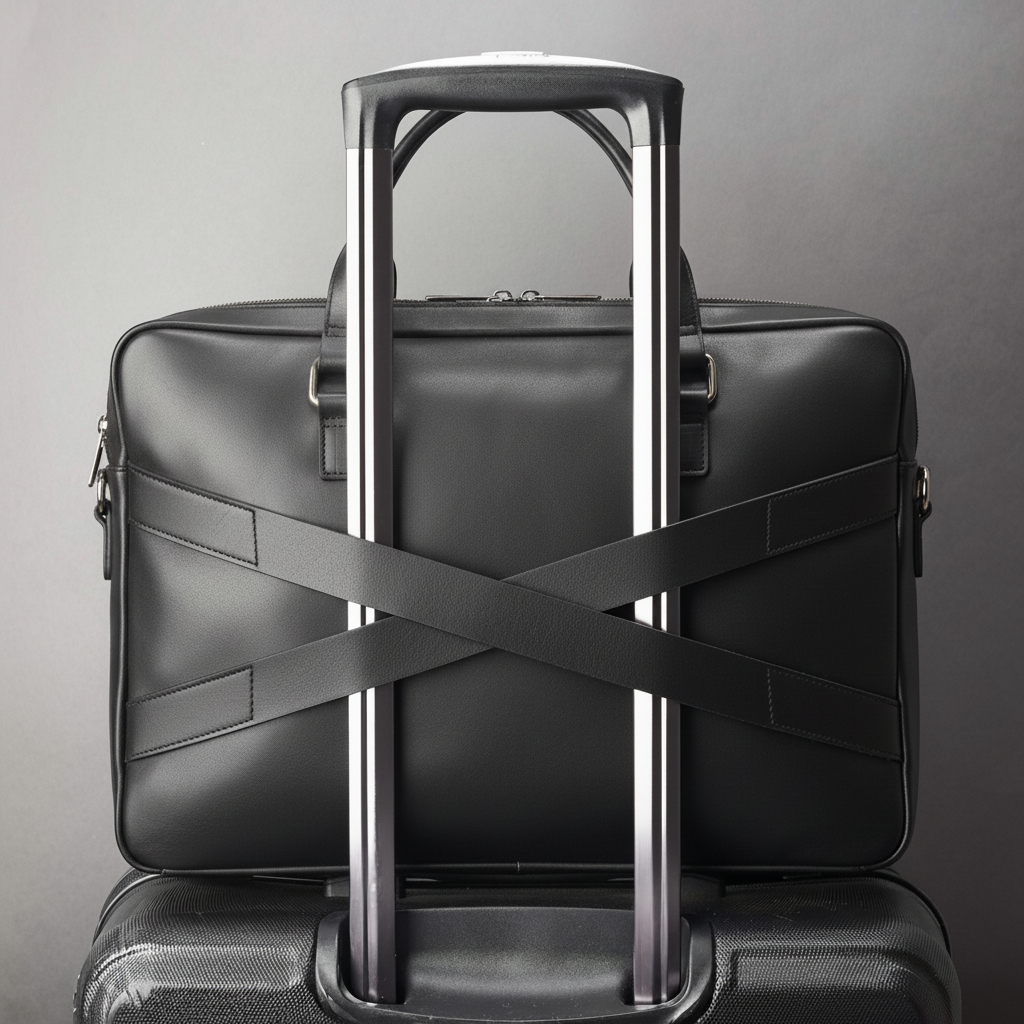
Whichever you choose, check the details that fail first: the strap and its fixings, the handles, and the zips. A detachable, adjustable shoulder strap adds flexibility to a briefcase. For frequent travellers, a luggage sleeve that slides over a suitcase handle is a small feature that earns its place on every trip.
Build details that quietly decide durability
- Zips. These take the most wear. A quality zip, such as YKK, is worth looking for, because a failed zip can retire an otherwise good bag.
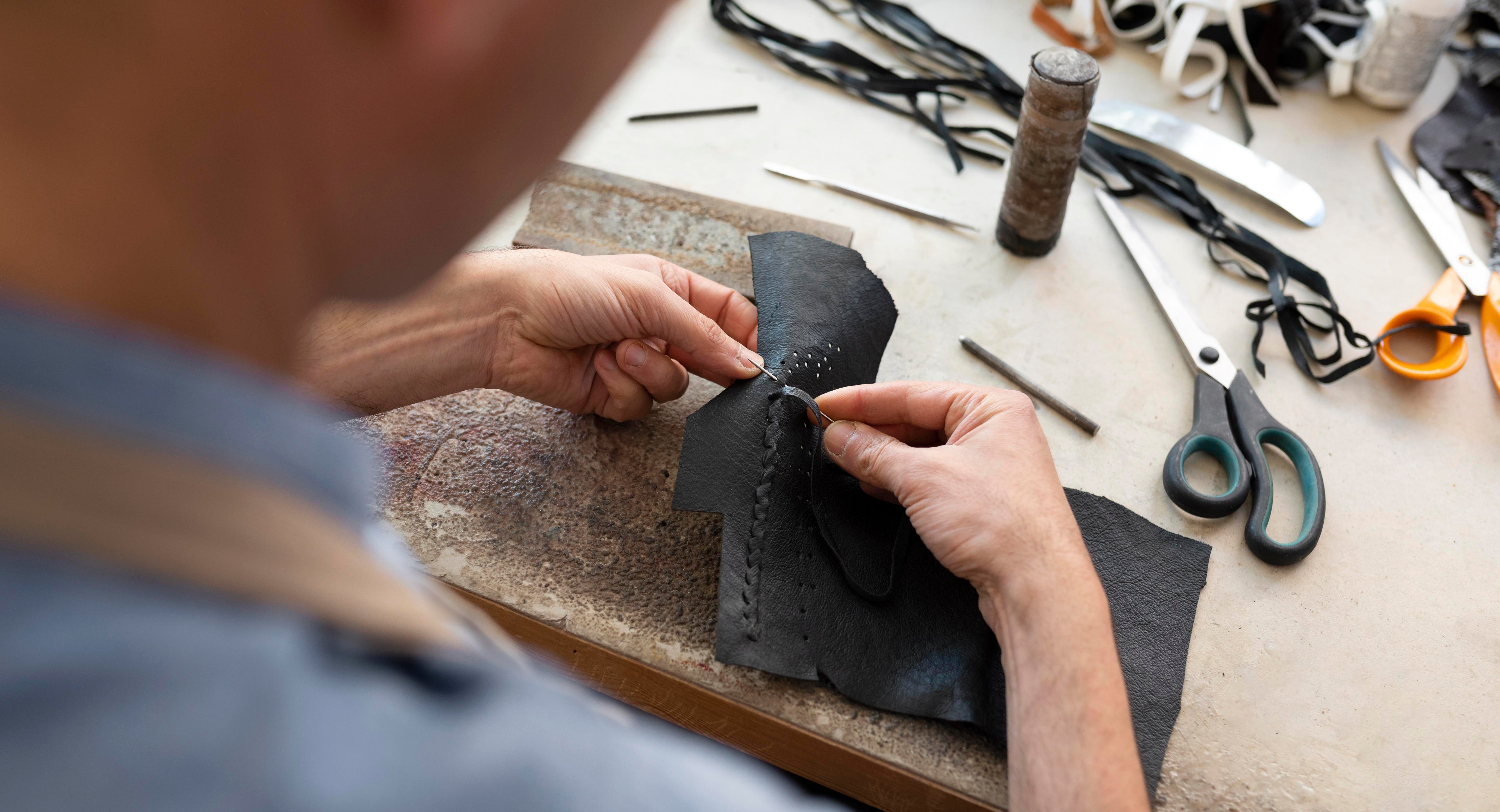
- Stitching. Even, tight stitching at the seams and strap anchors is a sign of care and a predictor of how the bag holds up under load.
- Weight. Leather is not light. A structured leather briefcase can weigh over a kilo empty, before your laptop and charger go in. If you carry it all day, weight is a genuine comfort factor, not a spec-sheet detail.
How the NEGOTIA range measures up
Every leather laptop bag NEGOTIA makes is built to the same standard: a padded compartment rated for laptops up to 16 inches, a defined structure that holds its shape, and leather chosen to age well rather than wear out. The differences between them come down to carry style and the details you value.
| Bag | Type | Fits | Dimensions | Weight | Price |
|---|---|---|---|---|---|
| Orden Briefcase | Briefcase | Up to 16" | 42 × 30 × 10 cm | 1,560 g | €139 |
| Sorel Briefcase | Briefcase | Up to 16" | 42 × 30 × 8 cm | 1,200 g | €169 |
| Averon Backpack | Backpack | Up to 16" | 40 × 30 × 12 cm, 15 L | 425 g | €139 |
| Kova Backpack | Backpack | Up to 16" | 40 × 30 × 12 cm, 15 L | 650 g | €149 |
If you want a formal, flat-carrying bag for meetings and shorter commutes, look at the briefcases. The Orden leans towards organisation, with a dedicated phone pocket, two pen holders, three card slots and a tablet compartment. The Sorel is lighter and travel-minded, with a luggage sleeve for attaching to a suitcase.
If you commute longer, cycle, or simply carry more, the backpacks spread the load. The Averon is the lightest, pared back for everyday order. The Kova adds a larger main compartment, a side pocket and a YKK zip for days that ask more of the bag. You can see the full range in the bags collection. All four, briefcases and backpacks together, are in the leather laptop bags collection.
A short checklist
- Does the padded compartment fit your laptop's real dimensions, not just its screen size?
- Is the leather full-grain, and does the maker say so?
- Does the layout match what you actually carry, without excess?
- Briefcase or backpack: does the carry style suit your real commute?
- Are the zips, stitching and strap fixings up to daily use?
- Is the weight something you are happy to carry all day?
Judge any leather laptop bag against those six points and you will avoid the usual regrets. Get the fit and the leather right, match the carry to your day, and a good bag will quietly do its job for years.

